
The deal aims at reviving the U.K.’s economic momentum and reinforcing security in an increasingly volatile global landscape
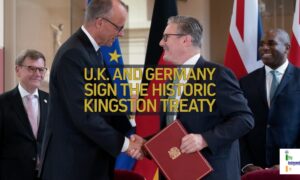
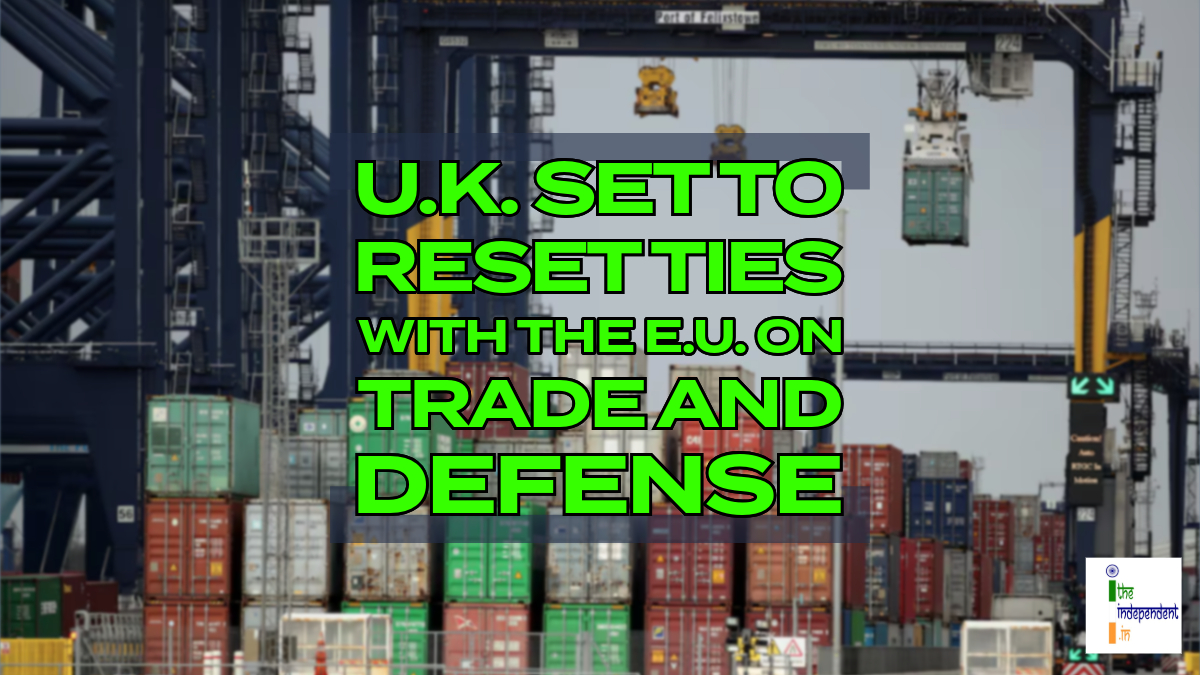
The United Kingdom (U.K.) is all set to seal the most substantial reset of its relationship with the European Union (E.U.) since leaving the bloc in 2020, with Prime Minister – Keir Starmer expected to announce a sweeping agreement on trade and defense at a Summit in London today, i.e., 19th May’25.
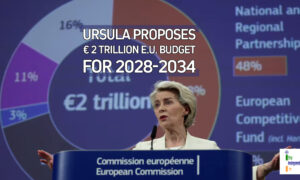
Negotiations between U.K. and E.U. Officials continued late into Sunday evening, with the President of the European Commission – Ursula von der Leyen and the President of the European Council – António Costa arriving in London to finalize talks.
The deal, aimed at reviving the U.K.’s economic momentum and reinforcing security in an increasingly volatile global landscape, will see closer alignment with the E.U. in select areas, without rejoining the single market or customs union. At its heart lies a new defense and security pact that could open doors for British firms to participate in the E.U.’s € 150 billion (U.S. $ 167 billion) rearmament program.
Starmer, who campaigned to remain in the E.U., is betting that delivering practical benefits, such as streamlined trade and improved travel access, will outweigh criticisms of “Brexit betrayal” from figures like Reform U.K. leader – Nigel Farage, who remains a vocal opponent of deeper E.U. cooperation.
Downing Street has emphasized that the global context has shifted dramatically since Brexit, with Russia’s invasion of Ukraine and U.S. foreign policy under President – Donald Trump, pushing European nations to reconsider strategic alliances. These developments, officials argue, necessitate a pragmatic re-engagement with Brussels.
The key elements of the proposed deal include drastically reducing the border checks and paperwork, which have slowed down U.K. and E.U. food and agricultural exports. They will also discuss expanding access for British travelers to E.U. e-gates, offering faster and more efficient border crossings. In exchange, the U.K. is expected to agree to a limited youth mobility scheme and possibly rejoin the Erasmus+ Student Exchange Program. France is also pressing for a durable agreement on fishing rights, a contentious Brexit-era issue. Besides, Starmer’s rapport with the President of France – Emmanuel Macron, built on shared support for Ukraine and a pragmatic approach to international cooperation, has helped reset a relationship long soured by Brexit.
While the agreement stops short of full reintegration into E.U. institutions, Starmer is seeking targeted improvements in market access, despite the E.U.’s resistance to what it sees as “cherry-picking” benefits without adhering to broader obligations. For the U.K., accepting E.U. oversight on food standards may prove controversial, but Starmer is likely to argue that such compromises are justified by the potential to reduce costs for consumers and support economic growth.